
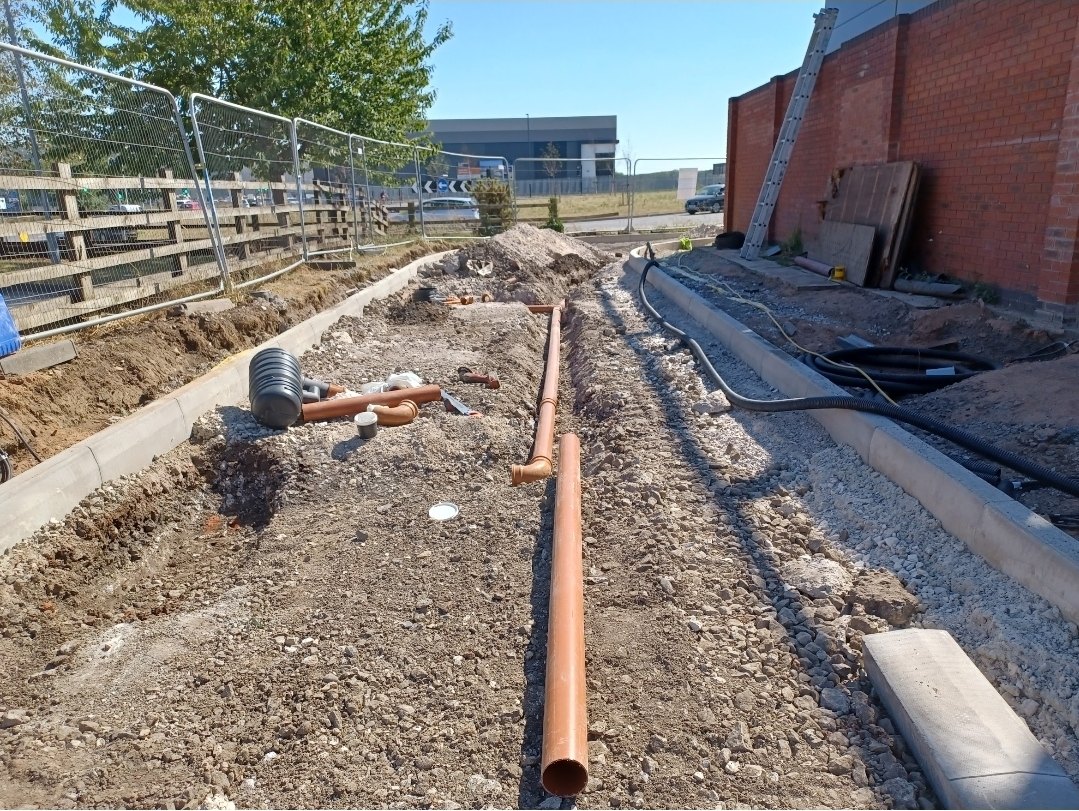
RAMS usually means risk assessments and method statements. They bring together the risks of a planned activity and the method for doing it. A point-of-work risk assessment, often shortened to POWRA, checks the actual task and conditions where work is about to happen. The records should inform each other, with concerns escalated when conditions do not match the plan.
What each record is for
| Record | Main question | Useful information |
|---|---|---|
| Risk assessment | What could cause harm and how will risk be managed? | Activity, people exposed, hazards, control measures and review arrangements. |
| Method statement | How will the activity be organised and carried out? | Sequence, resources, responsibilities, interfaces and arrangements if the method changes. |
| Point-of-work review | Do the conditions here support the planned task? | Current location, changes, unresolved concerns, decisions and who needs to be involved. |
HSE describes method statements as a way to communicate an agreed sequence and its controls. Its guidance distinguishes activities with specific requirements for written arrangements from other uses of method statements. Read HSE’s guidance on construction records and method statements.
A worked example of a changed work area
Fictional learning example. This is a decision record, not an approved method or a complete risk assessment.
A team is preparing to install drainage in a work area described in its planned assessment. At the point of work, the supervisor finds that deliveries are now using the access route beside the intended work area. The existing arrangements do not explain how that interface will be managed.
- Record the difference. Describe the changed delivery route, location and affected activity. Reference the current planned assessment and method revision.
- Raise the concern. Do not treat a completed checklist as permission to proceed. Refer the unresolved interface to the responsible supervisor and site team.
- Review the plan. The responsible people decide what changes, information and coordination are needed. Record who owns those actions.
- Recheck before proceeding. Confirm that the revised arrangements are in place and communicated through the site’s normal process. Record the review outcome and any remaining restrictions.
What a useful review entry could say
Planned access arrangements differ from the current delivery route. Activity paused pending review by the site supervisor. Action owner: named supervisor. Planned assessment reference: RA-014 revision B. Recheck required after revised arrangements are confirmed.
The useful part is the connection between the observation, the decision and the action owner. A tick against “site checked” would leave those details unexplained.
Common questions
Can a POWRA replace RAMS?
A point-of-work review should work alongside the relevant assessment and organisational arrangements. It does not remove the need to plan the activity or resolve gaps in the method.
Does signing the review authorise work?
No. A recorded review does not authorise work. Follow the organisation’s supervision, approval and permit arrangements where applicable.
When should the review be revisited?
Use the organisation’s arrangements and revisit the review when relevant conditions, people, equipment or the task change. Escalate uncertainty rather than forcing it into a “safe” answer.
How the Logic Suite fits
RAMSlogic is a guided risk assessment and method statement workflow in advanced development, progressing through release assurance before external pilots. POWRAlogic offers a protected pilot for point-of-work reviews. The tools support human judgement and existing site arrangements.
Read the practical point-of-work guide or ask about a walkthrough.